

Desert Online General Trading LLC
Dubai, United Arab Emirates
Desert Online General Trading LLC
Dubai, United Arab Emirates
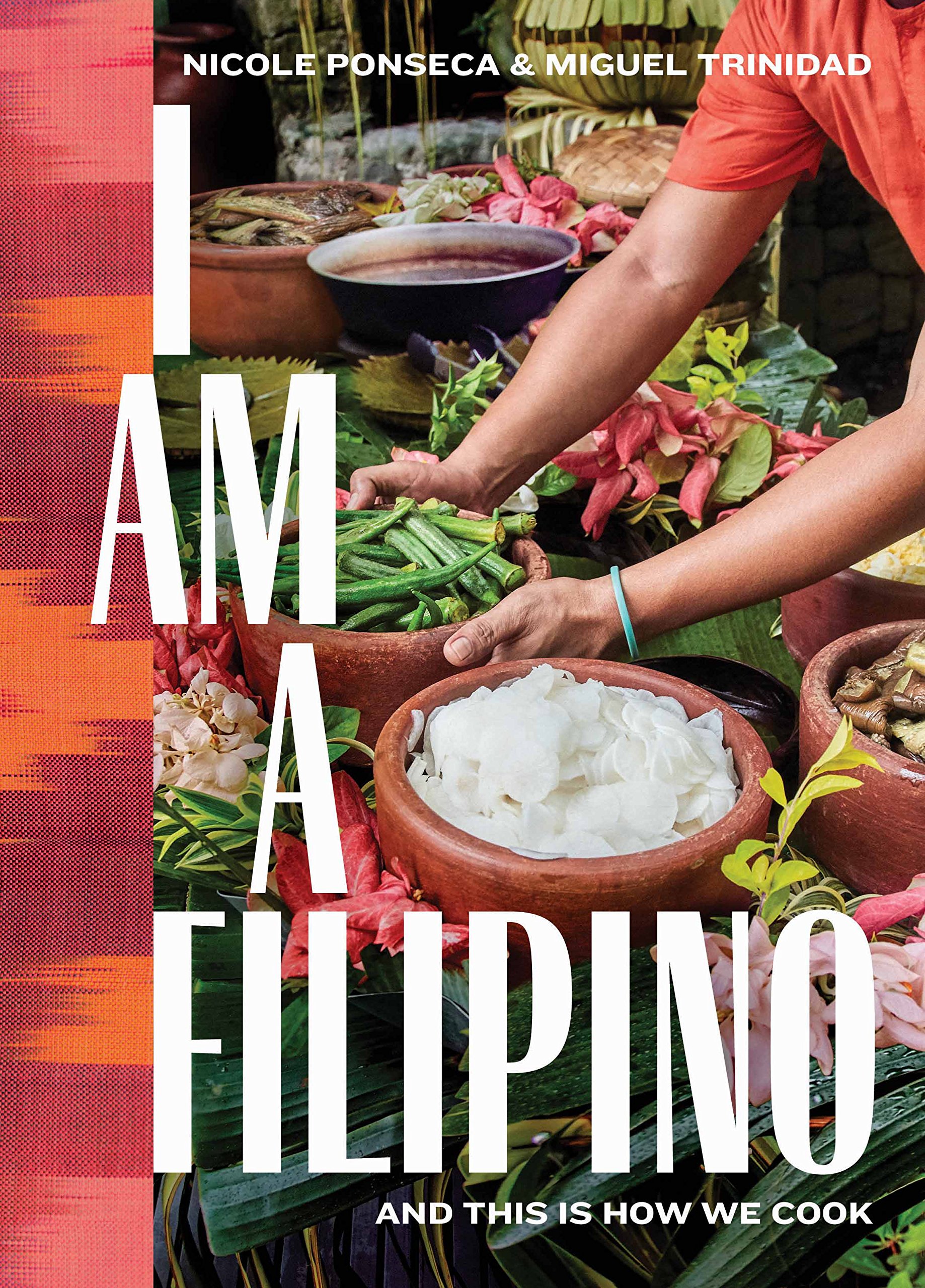
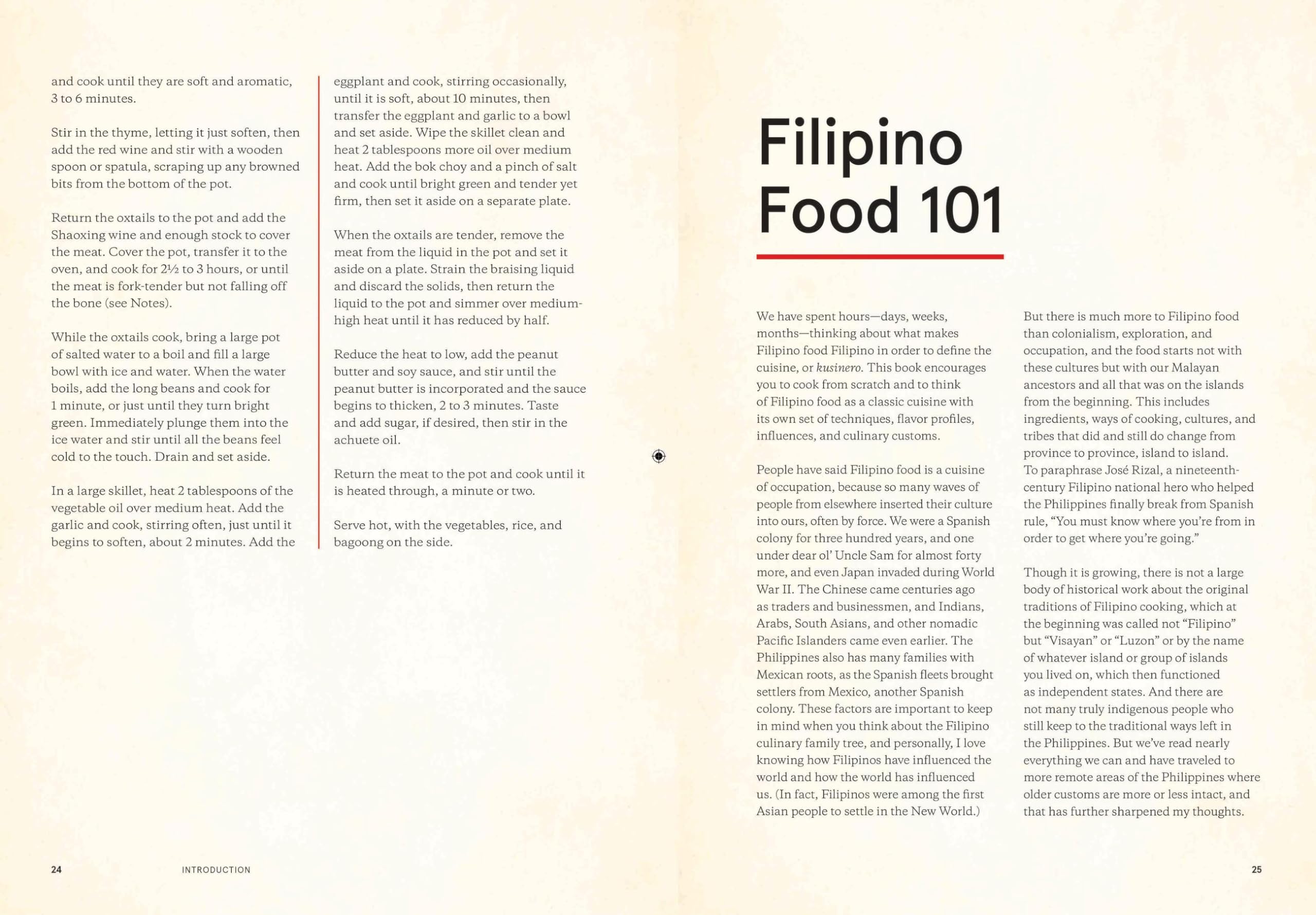
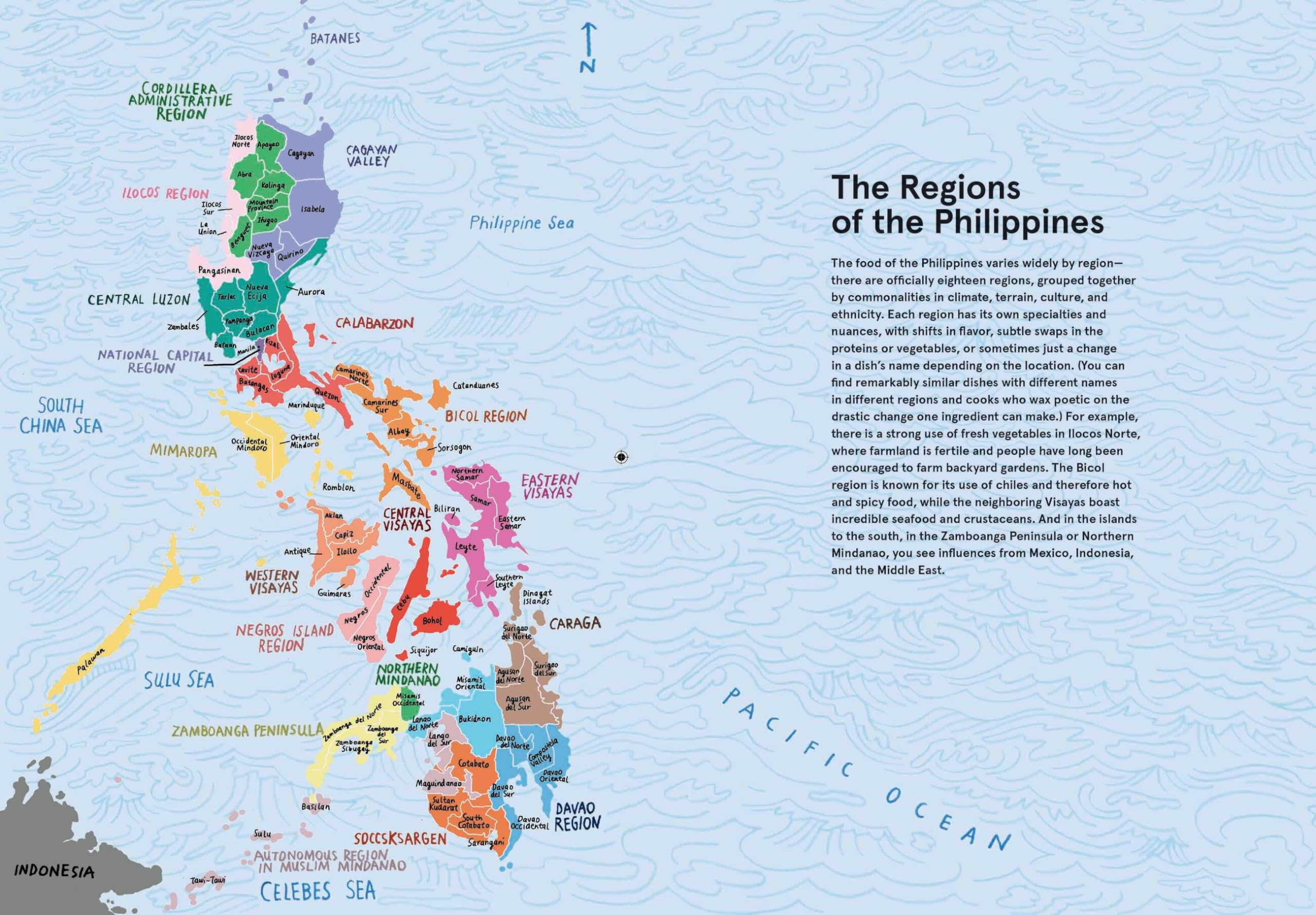
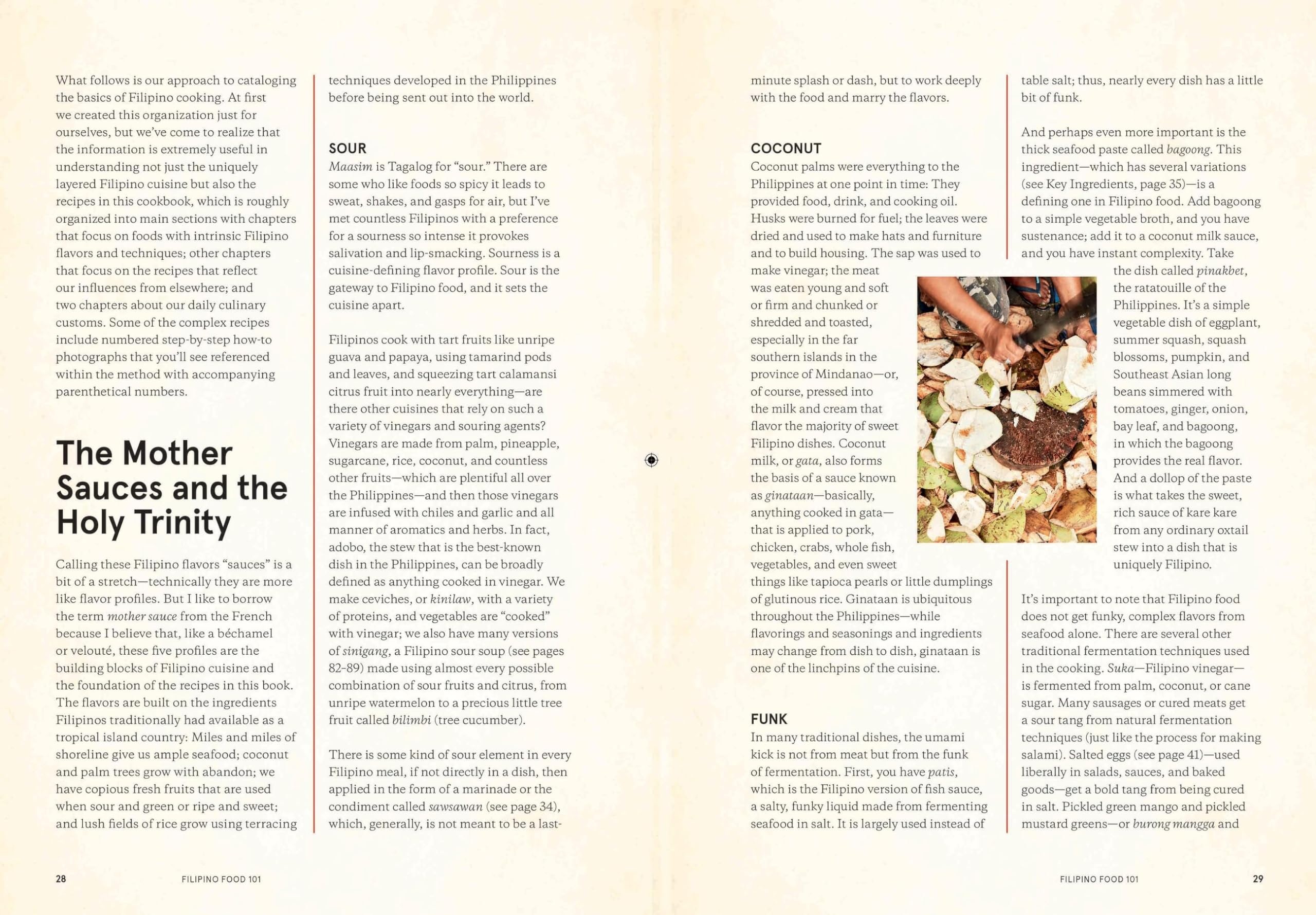
Full description not available

V**E
A thoughtful cultural and culinary overview of the Philippines
A thoughtful overview of the many cultures throughout the Philippines, seen thru a culinary lens. It’s also a very solid compilation of dishes that are truly everyday fare, not just party dishes. I gave this to a relative who is married to a non-Filipino, and also requested it for my birthday, so that non-Filipino family members might get a glimpse of the many influences that permeate Filipino society and cuisine, and how they have been transformed into something unique.Observations:- I wish the beautiful photos had more captions. I recognize many of the scenes and items, but non-Filipinos may not, and would thus miss out on some of the rich context. I’d also love to know who these anonymous cooks or diners are! (Like the lovely lady on p.10, or the hardworking IUD vendor on p.244.) And down the road some of the photos might well become a historical record, as places change and grow.- I wish someone truly bilingual (in Tagalog and English; possibly even fluent in other Philippine languages) would edit the non-English terms. E.g. The use of the modifier -ng is inconsistent ("afritada manok" - which sounds like barok Tagalog - followed by "rellenong manok"), and not clearly understood (ref. p. 52: -ng does not always mean “of”, for example, "adobong puti" does not mean the adobo is MADE OF white. Rather, -ng here is an adjectival linker, describing the dish as a white adobo.)- Other notes: clay pot = palayOk, not palayAk. The accent in “pancit”/pansit is on the last syllable, not on the first. Similarly with “maalat” (mah-AH-laht). Minor quibbles in what is an ambitious and well-executed volume, but it disrupts the experience for someone who actually speaks the language. Editing for fluency would make this an even more impressive book.- I was a little surprised by the title of one of the recipes - it’s not every day one comes across a dish that is called the C-word! It’s rather vulgar and I wouldn’t want to read this aloud to my mother. ;)- I wanted even more cultural exploration - for instance, “atsara” is clearly related to Hindi achar/aachar.- Would love to see a follow-up to this, featuring menus grouped by occasion (breakfast, lunch; holiday dishes) to provide even more of a sense of what dishes are normally served together (e.g. KBL and laswa, with a side dish of tomatoes and pounded ginger; or, rellenong manok, ham, beef tongue, and fruit salad for a Christmas meal).Really a wonderful in-depth look at an archipelago with a dense history. Bravo Nicole Ponseca and Miguel Trinidad!
K**R
A masterclass in Filipino food
I will readily admit that while I had eaten Filipino food growing up in Los Angeles, I had never fully appreciated the great variety of foods and cultures that make up the 7000 plus islands of the Philippines. I have made some great abobo from this book, fried chicken and waffles, and blacked coconut chicken that was all really delicious. I did have to seek out a Filipino store (there are a couple in Queens so this wasn’t a huge mission) to find ingredients like Ube, but I did find that the vinegars and banana ketchup were found at my local Asian grocery. Some recipes can be made without seeking out the speciality store but if there is one ingredient to get it would be the cane vinegar, otherwise most ingredients could be pretty readily sourced.
M**Y
Authentic!
Best Filipino cookbook I’ve ever bought. I am Filipino-American. I did not grow up learning how to cook Filipino food but I did grow up eating it. My mom lives far away from us and she doesn’t write down her recipes so when she emails me her recipes, of course, they don’t turn out like hers. I’ve had some success with some food blogs but I like this one better. I’ve been collecting and discarding Filipino cookbooks since college. This book is more authentic, more everyday kitchen friendly and less region specific. My parents are from Manila and I’m used to more mainstream versions of dishes. I’m actually recommending and probably buying this book to give as gifts to my relatives who also grew up in the States and don’t know how to cook Filipino food. It’s a great way to share the culture with our kids and friends. My husband’s family have asked me to cook Filipino food for them and this is the first Filipino cookbook that I feel I could cook from for them.
A**A
Not a complete guide...
Bought specifically to cook my husband's favourite cassava cake. And guess what? Yes, there is no cassava cake/cassava bibingka recipes. Dissapointing:(
G**S
Impressed so far
Some ingredients may not be easy to locate but I have been impressed with the recipes I have cooked so far. My initial reaction was that the quantity of vinegar called for was insane but much of the acidity cooks out. My 8 year old smelled the chicken & pork adobo and asked "Dad, are we eating takeout" ... which is a big compliment for him!!
M**L
Overall a good book to have...
I loved that so much research was done on the history of how food began and evolved to be our own. Such a good learning material! One thing that really disappointed me though was the first recipe in the book, kare-kare... an iconic Filipino trademark, had Cabernet Sauvignon?!? I totally understand that this may be a version that their family made but for a book introducing typical/ traditional Filipino food, the first recipe should at least be typical. Or at least a small note indicating that the Cabernet was your twist on the recipe. Having eaten Kare all my life and I have even asked my parents and grandparents if there was ever Red wine in any of their Kare or have heard of it, their reaction was just confused facial reactions of Why? Wine was not a traditional ingredient in typical Filipino cuisine because most people didn’t have access to Cabernet Sauvignon.Overall, the book is beautiful, loved the pictures and the history behind the recipes. I just wish that when a recipe is modernized, it should be noted, so readers who are new to this cuisine will know that this may not be what the typical dish would look and taste like.
C**E
This is the modern Filipino cookbook I’d been waiting for!
I am Filipino. My family is Filipino. I know our food by my family’s recipes. I know the recipes from my family’s stories. This cookbook combines the best of both! There are family favorite recipes as well as new ones from other areas of the Philippines I wasn’t aware of before.It is also, a self described manifesto of what it is to be Filipino. It is a history book. It is a cookbook. It is a collection of recipes and stories.It was an absolute joy to read this with my family and have their stories supplement the recipes and photos.Five stars will absolutely recommend to anyone looking to explore Filipino food culture!
B**O
Amazing recipes
One of a kind in the market. I look forward to trying dishes I've never eaten before. Beautiful book.
L**P
Schönes Buch aber nicht authentisch
Schönes Buch mit einer netten Geschichte und wunderschönen Bilder. Aber leider sind die Rezepte nicht authentisch genug. Ich hab das Gefühl der Autor und die Autorin haben mehr mit den Rezepten experimentiert und zusätzliche Zutaten und andere Zubereitungarten dazu gefügt. Fürs Bücherregal schön zum nachmachen nehme ich mir doch ein anderes philippinisches Kochbuch.
A**R
great cook book
hithis a great cook book , easy to followall the food i made turned out greatDave
A**N
Fantastic!
An excellent Filipino cookbook that brings back memories of flavor!You easily get lost in its pages as it brings you on a culinary journey through the Filipino palate.
M**A
Bien
Fue un regalo.le gusto
Trustpilot
2 months ago
1 month ago
2 weeks ago
1 month ago