
DOWNLOAD THE APP


Customer Services
Copyright © 2025 Desertcart Holdings Limited
DOWNLOAD THE APP
Full description not available
J**.
The unassuming origins of greatness
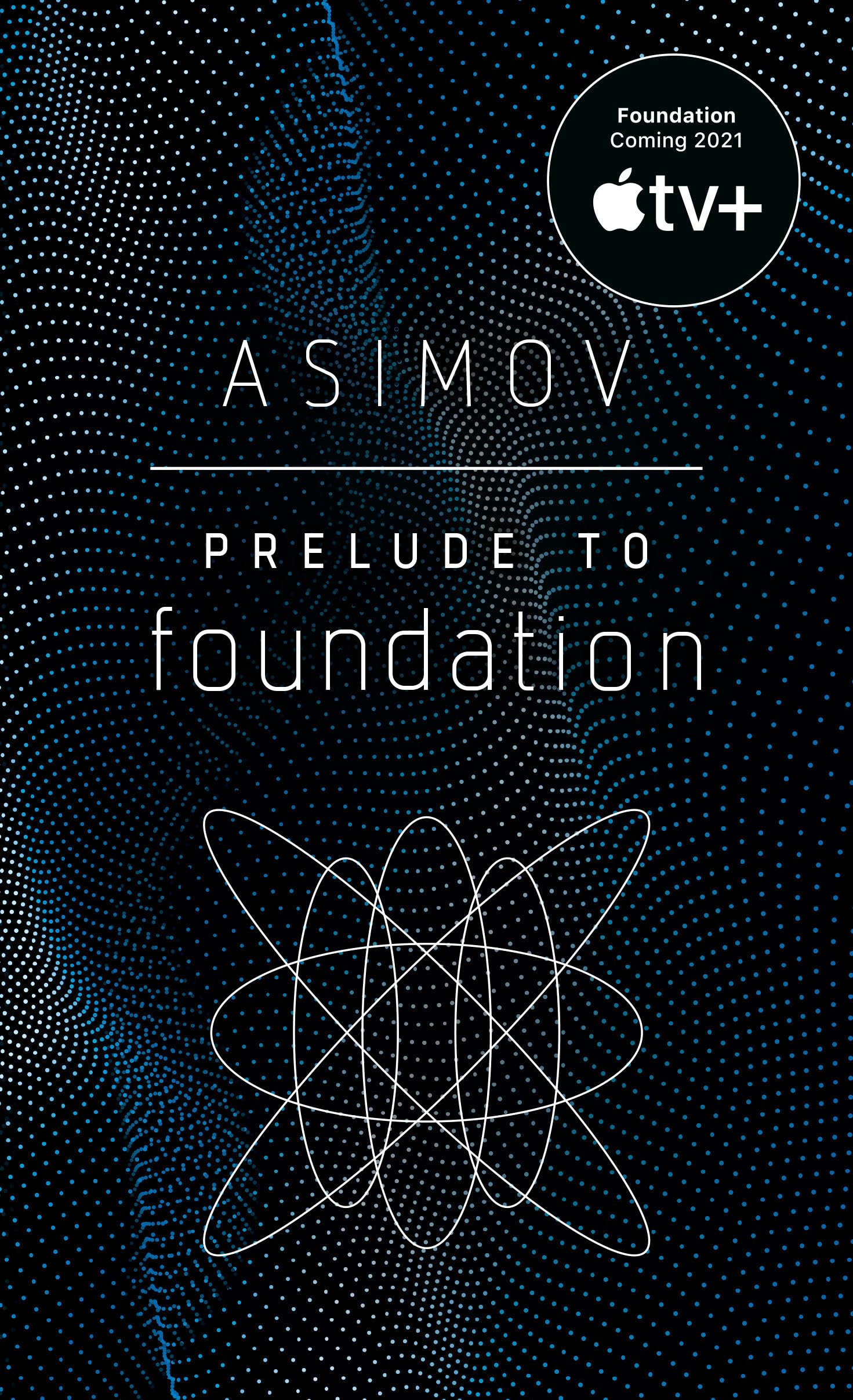
Isaac Asimov’s “Prelude to Foundation”, the first prequel to the author’s classic “Foundation Trilogy”, is a modest but enjoyable science-fiction novel, showing the humble beginnings of Hari Seldon, the legendary scientist of the original trilogy. The novel will probably resonate more if you’re already familiar with the trilogy, as you’ll likely get more of a kick out of the young, slightly vain, slightly scatterbrained Seldon seen here if you’re well versed on his later accomplishments and eventual revered status.But there are some compelling ideas here for both Foundation newcomers and longtime fans of the original books, often presented in fun ways. In particular, the novel examines the idea of personal cluelessness about one’s genius, and how it sometimes takes others to fill a person in about one's own potential. Here, Hari is presented as someone who thinks he’s just a modest mathematician, with maybe a few creative ideas worthy of writing an esoteric paper on, but nothing more. But once Hari delivers his paper at a conference, the most powerful six or seven forces in the universal hierarchy immediately wrestle and compete with each other to grab up Hari and his ideas first, recognizing their potential to shape the future. And even then Hari is slow to say, “Hmmmm, maybe I’ve got something here.”“Prelude to Foundation” is pretty much a chase novel set in a fascinating, far flung future, with a nice level of attention given over to the ways people live and interact, and other humanitarian concerns. Dr.Asimov also uses “Prelude to Foundation” to tie some of his other famous books into the continuity of the Foundation books, specifically novels in his “Empire” and “Robot” series. At this point, that move neither overly complicates nor greatly improves the Foundation series, though it does add a bit of interesting texture, so it’ll be fascinating to see where things go in the other Foundation prequel/sequels.If you’re interested, here are the seven books in the Foundation series, presented in chronological order of the events they depict: “Prelude to Foundation” (the first prequel to the original trilogy), “Forward the Foundation” (second prequel to the original trilogy); “Foundation” (book one of the original trilogy); “Foundation and Empire” (book two of the original trilogy); “Second Foundation” (book three of the original trilogy); “Foundation’s Edge” (first sequel to the original trilogy); and “Foundation and Earth” (second and final sequel to the original trilogy).Finally, you should know that HBO is now developing the Foundation books as an ongoing television series, hence my renewed interest in the original trilogy (which I once read way back when) and the prequels/sequels (which are new to me). Personally, I think it’ll be fun to shoot through all seven books prior to the premiere of the show.
J**Y
Wildly intriguing and innovative
Written with vivid creativity and innovation. Crafted masterfully. Keenly intelligent, suspenseful, and emotive. Read this novel before Foundation as the foreknowledge in Prelude makes the series even and sensible.
R**S
A prequel that is a sequel
Isaac Asimov managed to do in "Prelude" something almost unimaginable, he wrote a prequel that in all logical senses is actually a perfect sequel to "Foundation and Earth". It connects so smoothly and seamlessly to that book that even the final plot twist here--the real identity of Humming--, was not a mistery for me since his first appearance: it was just natural from what is said and done at the end of "Foundation and Earth". The way Asimov describes the different societies in Trantor goes parallel to what happens in other Foundation books as well, but with a nice new feel. Harri Seldon turns out to be a very peculiar character in the Foundation universe (young, reckless and energetic instead of the wise old guy in the other books), and Asimov even finds a way to include his own version of a Gavroche in this book (indeed, the whole Dahlian chapters sound a little like Les Miserables!). This is a nicely crafted book, not the single best but a very good one. By finally connecting psychohistory with the Zeroth law of robotics, there is an immense sense of closure here. Very happy for having followed the publication sequence of the Foundation books (rather than chronological) and eager to conclude my reading of all of them with the very last one soon!
A**3
Magnificent! Asimov at his very best!
Likes: Twisty, suspenseful, mesmerizing plot; engaging, sympathetic, and superbly developed characters; brilliantly inventive and plausible world-building. Asimov’s deep thoughts on history, science, and human nature, while seamlessly woven into an entertaining narrative, remain fascinating and provocative — and I believe even more relevant today than in the fifties or eighties.Dislikes: None.Recommended audience: All fans of SF, Asimov, or books and ideas in general!
J**R
A fan
Recommend
R**D
A superb page-turner
Prelude to Foundation is chronologically the first novel in Asimov's Foundation series. Hari Seldon has just introduced his theory of psychohistory to the public on Trantor and is now sought after for his potential to one day mathematically predict the future. In this book we learn much about the Imperial home planet of Trantor and the time period of the beginning of the Empire's decline. I haven't yet read the rest of the Foundation series but I'm looking forward to it, the more so after this enjoyable start.Since Prelude was written many years after the original Foundation trilogy, Asimov chose to tie in a few plot elements from the four-book Robot series and the old Empire trilogy. In fact, a major character from the Robot series also shows up here in a marvelous twist at the end of the book! Having recently read both the Robot and Empire series, I feel that Asimov did a wonderful job considering that something like 20,000 years have passed since the time setting of the Robot series. I highly recommend reading the Robot novels before you start Prelude.Prelude describes "The Flight" period of Seldon's life during which he was hiding from the Emperor Cleon I to prevent psychohistory from falling into the wrong hands (or so he thinks). This book is quite difficult to put down and the 400+ pages flew by for me in less than two weeks, which is unusual given how much time I usually devote to sci-fi. The ending has a couple great surprises in store for you, just make sure you don't peek!
Trustpilot
2 weeks ago
1 month ago