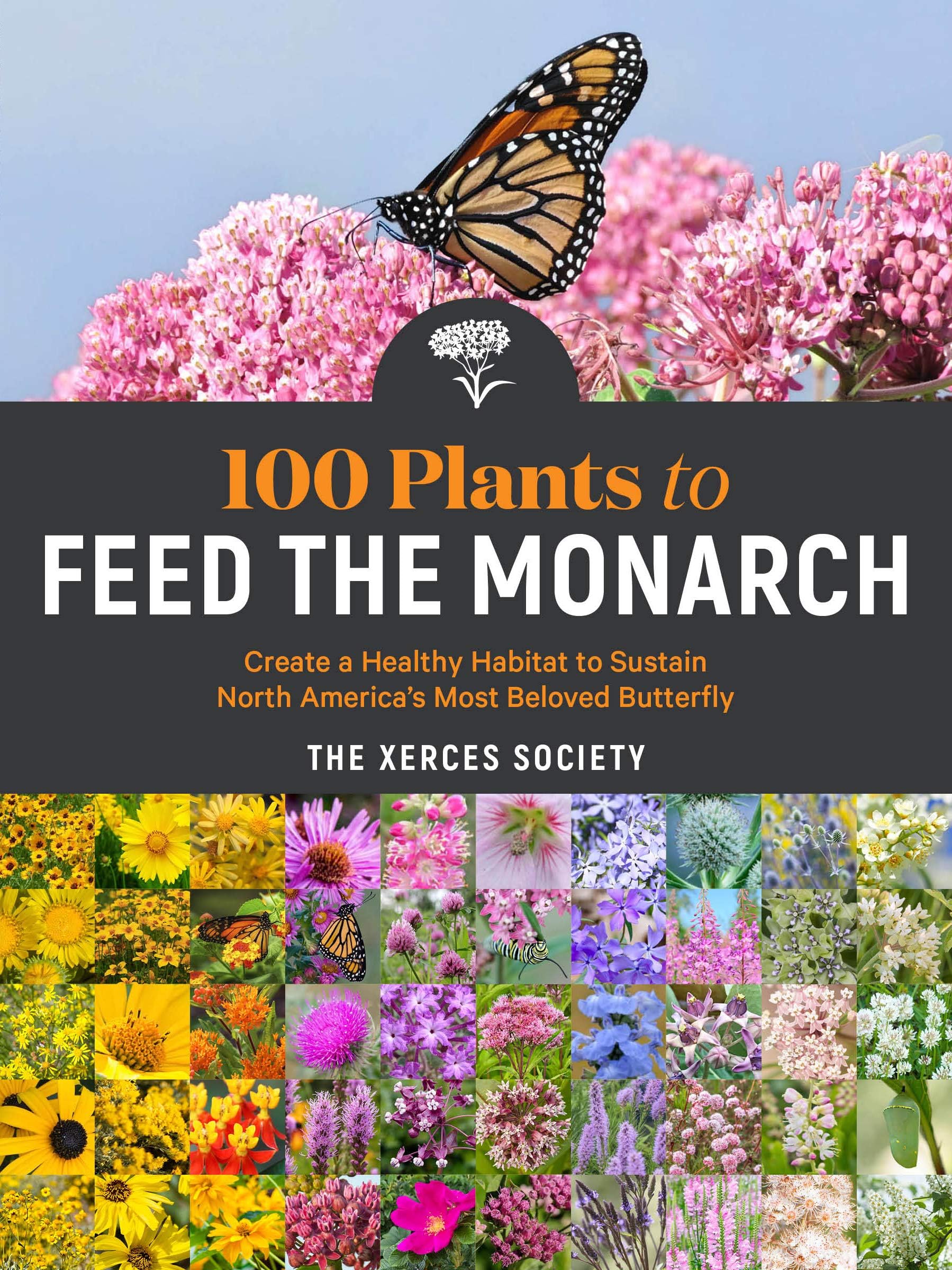
100 Plants to Feed the Monarch: Create a Healthy Habitat to Sustain North America's Most Beloved Butterfly
Product ID: 290084522
Desertcart purchases this item on your behalf and handles shipping, customs, and support to USA.
The plight of the monarch butterfly has captured public attention and sparked widespread interest in helping to save their dwindling populations. In this in-depth portrait of the monarch butterfly—covering its life cycle, its remarkable relationship with milkweed, its extraordinary migration, and the threats it now faces due to habitat loss and climate change—detailed instructions on how to design and create monarch-friendly landscapes are enriched by guidance on observing and understanding butterfly behavior and habits. Following the model of their previous best-selling book, 100 Plants to Feed the Bees , the Xerces Society provides at-a-glance profiles of the plant species that provide monarchs with nourishment. The plants, which are all commercially available, range from dozens of species of milkweed—the only food of monarch caterpillars—to numerous flowering plants, shrubs, and trees that provide nectar for the adult butterfly, including those that bloom in late season and sustain monarchs in their great migration. Gorgeous photographs of monarchs and plants, plus illustrations, maps, and garden plans, make this a visually engaging guide. Review: Monarch butterflies require the Milkweed plant to complete their lifecycle. - The only plant that supports the Monarch's life cycle is the Milkweed. Many other plants listed in this book support the butterflies with food (nectar} and there are a few different Milkweed plants that can be used to support the Monarch's cycle from egg to caterpillars to chrysalis to butterfly. It's a very informative read if you are considering raising the caterpillars & releasing the butterflies. It involves an investment of your time but is worthwhile to save the pollinator's that complete the growth cycle of most of our fruits & vegetables that we all require to maintain proper nutrition. Review: How many plants help feed Monarch Butterflies - I had no idea! - Before finding this book on desertcart I had NO idea how many plants can help feed butterflies, and in particular, my favorite, the Monarch Butterfly! "100 Plants to Feed the Monarch" is NOT an overstatement. The book identifies the plants, the conditions where they grow best, where they are native, and where not. Pictures are gorgeous! I've known that milkweed is required for healthy monarchs, but I didn't know how many other plants also contribute to keeping them healthy and productive. The book identifies 34 milkweed varieties and where they may be found. It also includes another 66 Nectar plants. I love my plants but until now did not realize how many of the plants already in my garden are nectar or host plants for Monarchs and other butterflies!


| Best Sellers Rank | #348,412 in Books ( See Top 100 in Books ) #74 in Biology of Butterflies #191 in Landscape #300 in Gardening & Horticulture Reference (Books) |
| Customer Reviews | 4.8 out of 5 stars 227 Reviews |
S**Y
Monarch butterflies require the Milkweed plant to complete their lifecycle.
The only plant that supports the Monarch's life cycle is the Milkweed. Many other plants listed in this book support the butterflies with food (nectar} and there are a few different Milkweed plants that can be used to support the Monarch's cycle from egg to caterpillars to chrysalis to butterfly. It's a very informative read if you are considering raising the caterpillars & releasing the butterflies. It involves an investment of your time but is worthwhile to save the pollinator's that complete the growth cycle of most of our fruits & vegetables that we all require to maintain proper nutrition.
C**S
How many plants help feed Monarch Butterflies - I had no idea!
Before finding this book on Amazon I had NO idea how many plants can help feed butterflies, and in particular, my favorite, the Monarch Butterfly! "100 Plants to Feed the Monarch" is NOT an overstatement. The book identifies the plants, the conditions where they grow best, where they are native, and where not. Pictures are gorgeous! I've known that milkweed is required for healthy monarchs, but I didn't know how many other plants also contribute to keeping them healthy and productive. The book identifies 34 milkweed varieties and where they may be found. It also includes another 66 Nectar plants. I love my plants but until now did not realize how many of the plants already in my garden are nectar or host plants for Monarchs and other butterflies!
E**T
Well written, great information
This is a great book, I bought a second copy for a friend.
A**R
Good
Good
J**T
Bought it for my sister
My sister lives out of state from me, but she reports that this is a very nice book. She enjoyed looking at it with one of her kids, and remarked that there were nice pictures. Also, a lot of helpful information, like even giving a diagrams of the zones that are optimal areas for growing specific, native plants and flowers for the butterfly.
E**N
Informative read about the importance of butterflies.
This is an inspiring and informative book if you are interested in learning about the plants that monarchs need to thrive.
N**S
Lots of information
Got it as a gift for a butterfly friend. She is thrilled.
C**C
Butterfly info to enhance your watching excitement!
I love this book! I can now recognize the beauties that visit me which makes the enjoyment so much nicer. I am learning about the different soecies, the way I can set up my gardens to provide the nourishment and areas that attract while also knowing more about the timing to expect the beauties while keeping a count on all of the different species I am noticing now. This would be a great gift for children too!
Trustpilot
2 weeks ago
2 months ago