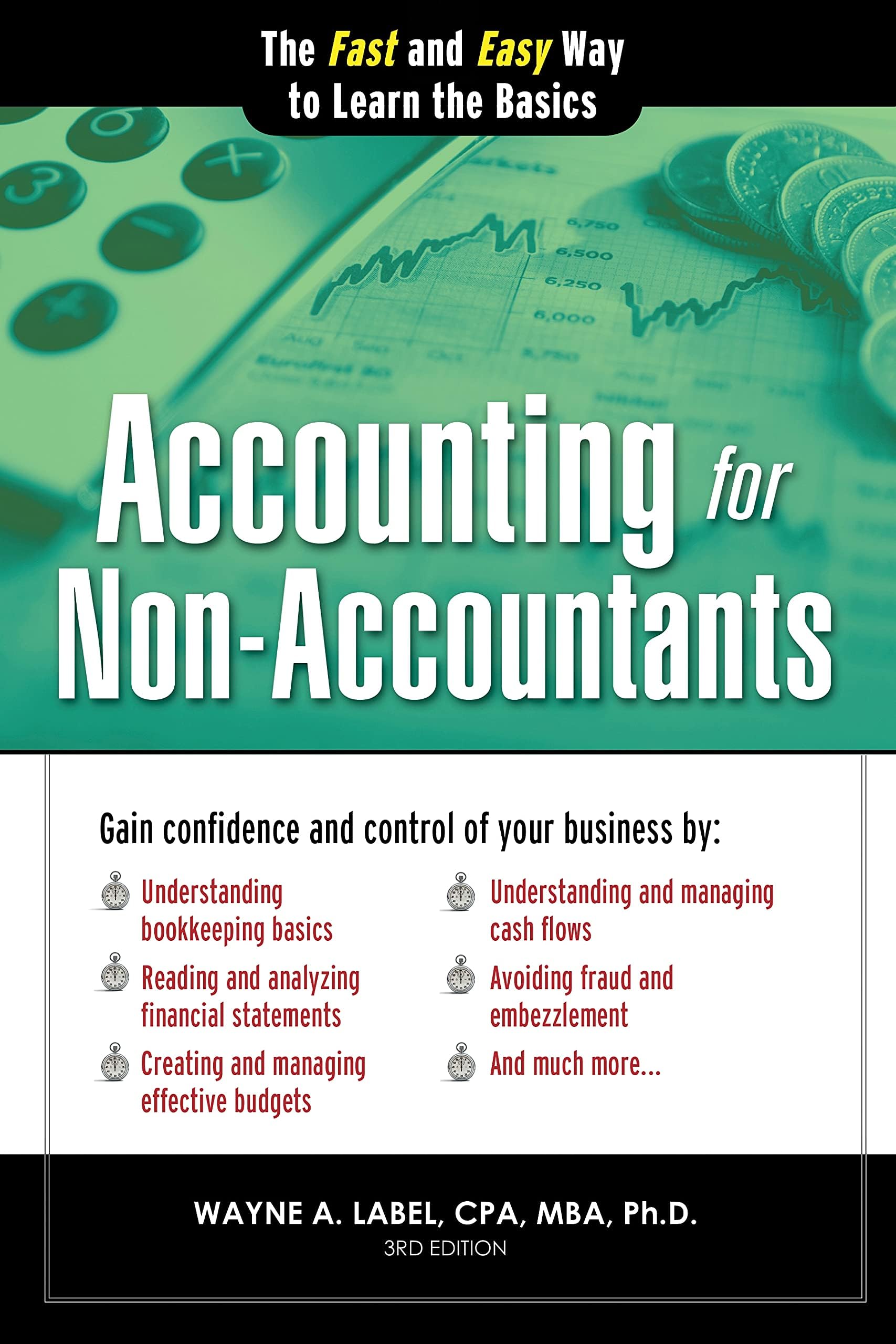

Accounting for Non-Accountants: The Fast and Easy Way to Learn the Basics
Product ID: 253310866
⭐4.5/5 from 824 reviews
📈Top #11 in Financial Accounting
📚978 pages of essential knowledge
$29.27
1
Sold byAmazon USADelivered byDesertcartCustomer service byDesertcartReturns14 days · 30 with PRO
Buyer Protection · Full refund if your order doesn't arrive as described.
Desertcart purchases this item on your behalf and handles shipping, customs, and support to USA.
Secure transaction
Description
📊 Unlock financial fluency—because every manager deserves to speak accounting!
- CLEAR CONCISE - No fluff—just straightforward, actionable accounting insights.
- TRUSTED BESTSELLER - Ranked top 30 in Accounting Theory and Small Business categories.
- MASTER ACCOUNTING FAST - Designed for non-accountants to grasp basics quickly and confidently.
- BOOST MANAGERIAL SKILLS - Empowers professionals to decode financial jargon and make smarter decisions.
- PROVEN USER SATISFACTION - Highly rated by hundreds, ensuring reliable and practical learning.
Accounting for Non-Accountants by Wayne A. Label, Ph.D., is a bestselling paperback that simplifies accounting fundamentals for professionals without prior experience. With a 4.5-star rating from over 800 readers and top rankings in financial accounting categories, this book is your fast-track to mastering essential financial skills and boosting your managerial confidence.


Specifications
| Best Sellers Rank | #27,089 in Books ( See Top 100 in Books ) #16 in Financial Accounting #47 in Accounting Theory #50 in Small Business |
| Customer reviews | 4.5 4.5 out of 5 stars (856) |
| Dimensions | 15.2 x 1.4 x 22.9 cm |
| Edition | 3rd |
| ISBN-10 | 1402273045 |
| ISBN-13 | 978-1402273049 |
| Item weight | 302 g |
| Language | English |
| Print length | 224 pages |
| Publication date | 1 January 2013 |
| Publisher | Sourcebooks |
Common Questions
Yes, all products are sourced directly from authorized retailers in the US, UK, UAE and India. We maintain strict quality control processes and verify each product before shipping. All items come with applicable manufacturer warranties and are covered by our standard return policy.
Delivery times vary by destination country, typically ranging from 3-9 business days. Each order is fully trackable through our system. We handle all customs clearance and use reliable courier partners for last-mile delivery. You'll receive regular updates about your order status via email and our app.
Desertcart is an international e-commerce platform operating since 2014. We securely process thousands of orders globally each day. Every product goes through our quality verification process before delivery, and we provide end-to-end order tracking, 24/7 customer support, and a comprehensive returns policy to ensure a safe shopping experience.
Our prices include the product cost, international shipping, import duties, customs clearance, and local delivery charges. We handle all customs and import procedures, ensuring there are no hidden fees upon delivery. PRO members receive additional benefits including free shipping.
Trustpilot
TrustScore 4.5 | 7,300+ reviews
Shop Global, Save with Desertcart
Value for Money
Competitive prices on a vast range of products
Shop Globally
Serving millions of shoppers across more than 100 countries
Enhanced Protection
Trusted payment options loved by worldwide shoppers
Customer Assurance
Trusted payment options loved by worldwide shoppers.
Desertcart App
Shop on the go, anytime, anywhere.